NADA MIAMI
Crystal Z Campbell &
Gabriel Martinez
December 1-5, 2026
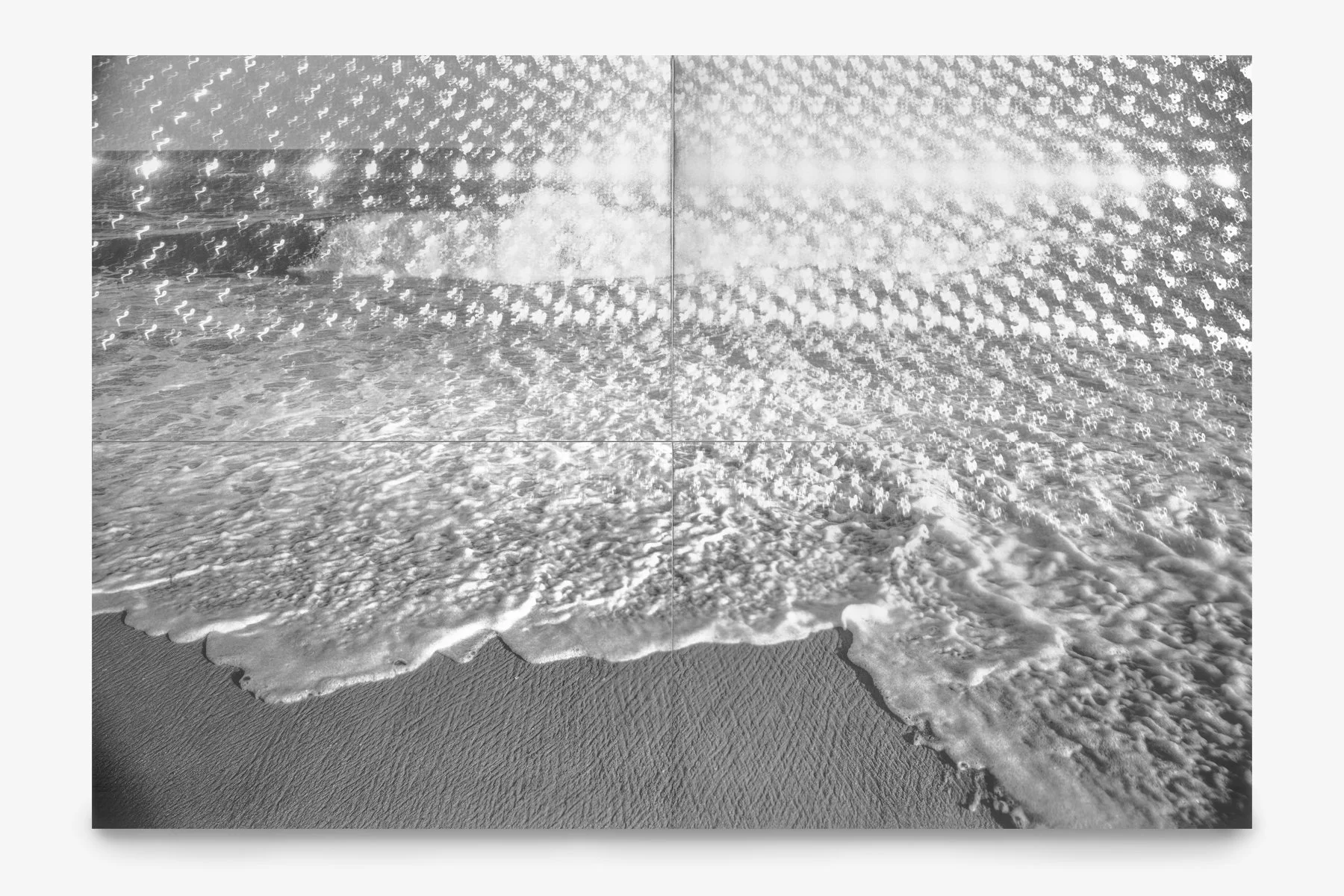
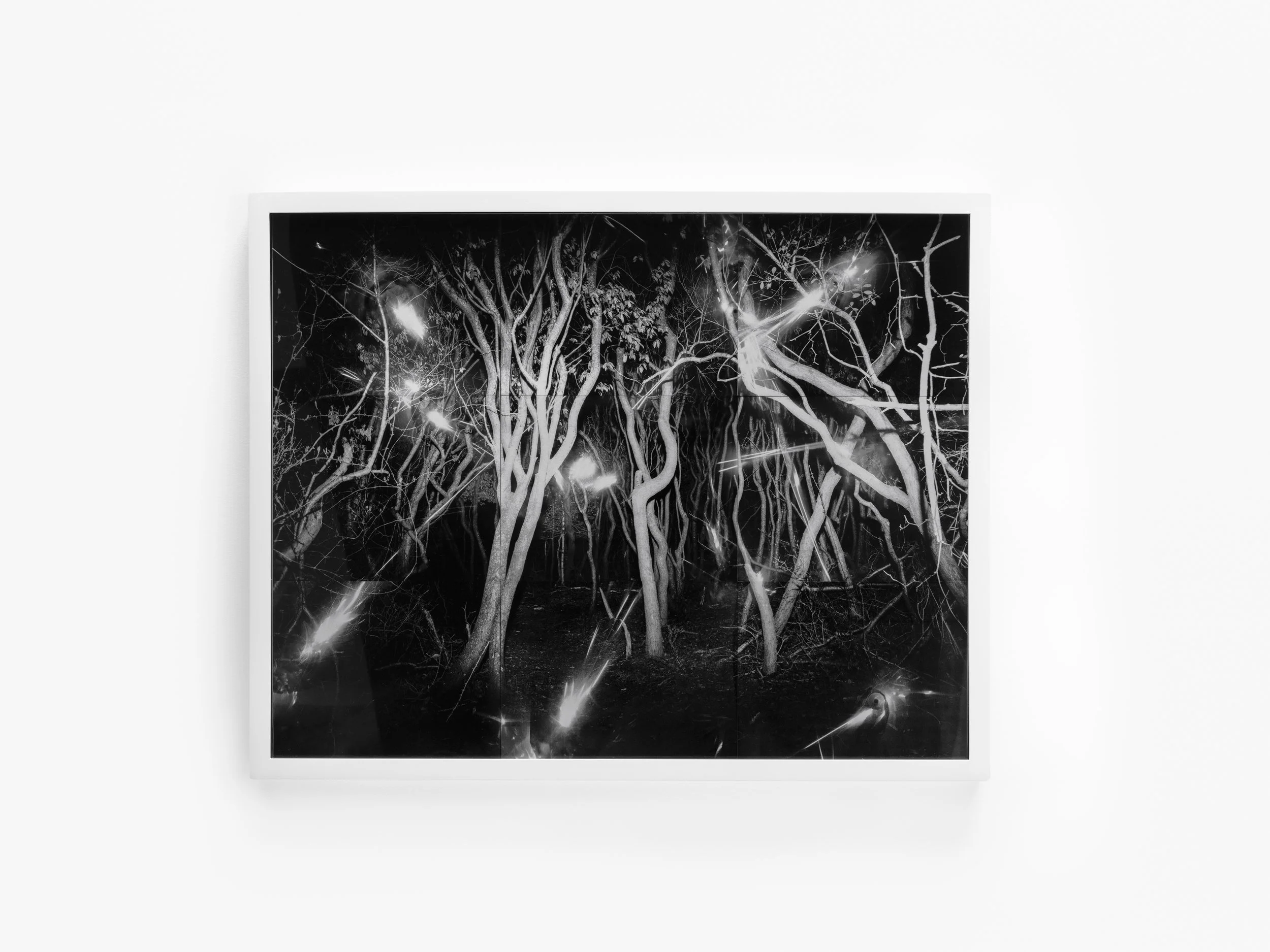
Gabriel Martinez, Waves, 2026
Silver gelatin print
Booth A6
Location:
Ice Palace Studios
1400 North Miami Avenue
Miami, FL 33136
VIP Preview (by invitation):
Tuesday, December 1, 10:00am - 4:00pm
Open to the Public:
Tuesday, December 1, 4:00 - 7:00pm
Wednesday, December 2, 11:00am - 7:00pm
Thursday, December 3, 11:00am - 7:00pm
Friday, December 4, 11:00am - 7:00pm
Saturday, December 5, 11:00am - 6:00pm
For NADA Miami 2026, Rivalry presents works by Crystal Z Campbell (b. 1980) and Gabriel Martinez (b.1967), whose practices are rooted in uncovering and memorializing hidden histories through engagement with archives. The presentation includes photographic, sculptural, and collage-based works.
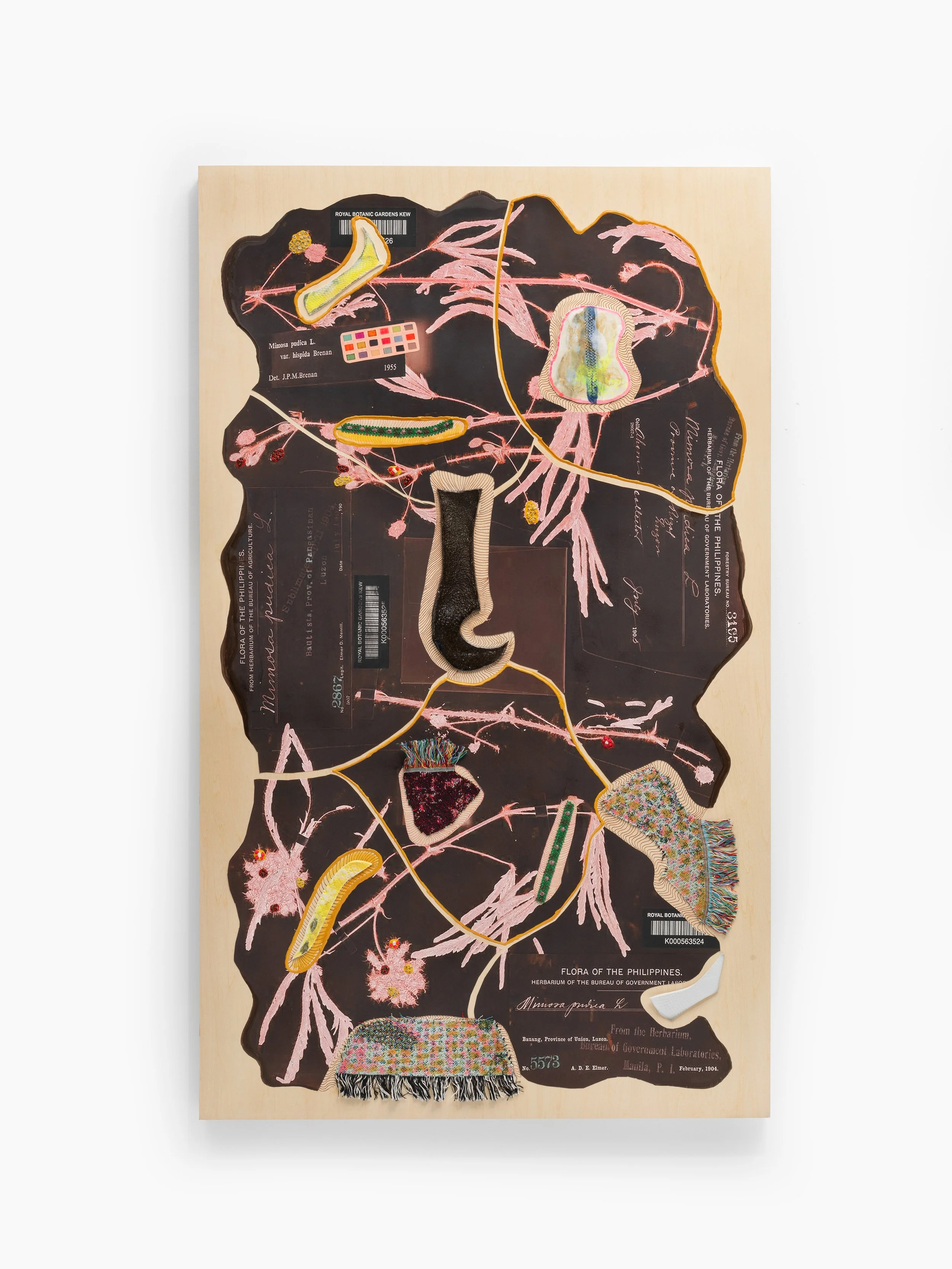
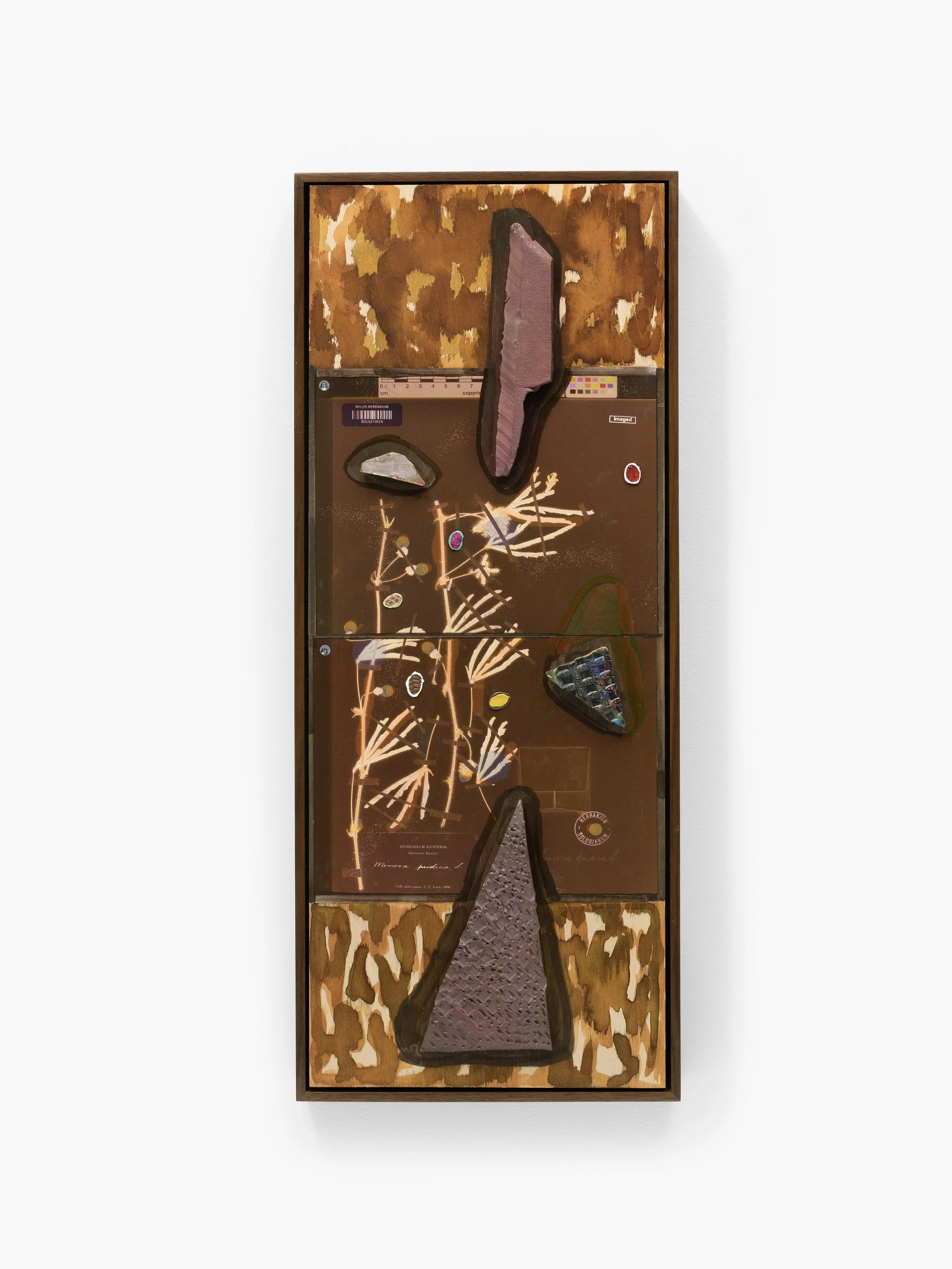
Crystal Z Campbell’s creative practice spans visual art, experimental film, and writing to explore what they’ve termed as the ‘underloved’ - the histories, peoples, places, and public secrets that are known by many but unspoken. Their artistic research originates from investigations into archives, digital collections, and online repositories, paying attention to the underloved that are buried within institutional memory or exist beyond those bounds. The presentation will include a new series of paint and photo-based collages that examine global herbarium specimens of the mimosa pudica - an abundant, touch sensitive plant, with medicinal and sentient properties. Native to South and Central America, but now found in tropical climates around the world, the history of mimosa pudica is grounded in anthropomorphization, colonial touch, and scientific experimentation. Together, the works in the exhibition expand upon these histories to speak to contemporary ripples of colonialism, extraction, and empire.
On a trip to their mother’s homeland in the Philippines, Campbell first encountered the mimosa pudica plant after noticing a subtle movement beneath their feet. Largely considered a weed by Western standards, the plant is affectionately called ‘Makahiya’, which in Tagalog translates to ‘shame’ or 'shyness’. The plant is said to have been introduced by Spanish colonizers to the Philippines through the Manila-Acapulco Galleon trade, which bridged South America and Asia from 1565-1815. Over time, it has earned many classifications, from an abundant weed, to an anti-inflammatory medicinal aid, to a learned and sentient being that exists in the liminal space between plant and animal categorizations. The petioles of the mimosa pudica plant retreat when touched, pushing scientists to use the plant as a gateway to understand the intelligence and memory of organic plant life. Nevertheless, the plant’s capacities for memory and intelligence were tested through violent strategies - sunlight deprivation, striking the leaves repeatedly, and dropping the plant from heights to test if the leaves retained memories of the fall. Each collage in the series is derived from an herbarium specimen - from Mexico, Jamaica, the Philippines, and the US states of Hawaii and Florida. Mimicking the archipelagic structure of the Philippines, each specimen has been cut into numerous fragments to suggest a whole. The mimosa pudica samples depicted in each image have been subjected to colonial violences of uprooting, followed by dehydration, and being affixed to a sheet of paper. Despite many traditional medicinal uses of the plant, the specimens are far removed from that history and are named and marked by their archive, site of removal, collector, and often barcoded like merchandise - reflecting on the colonial practice of bioprospecting wherein a region's natural resources were scanned to maximize extraction and commercialization.
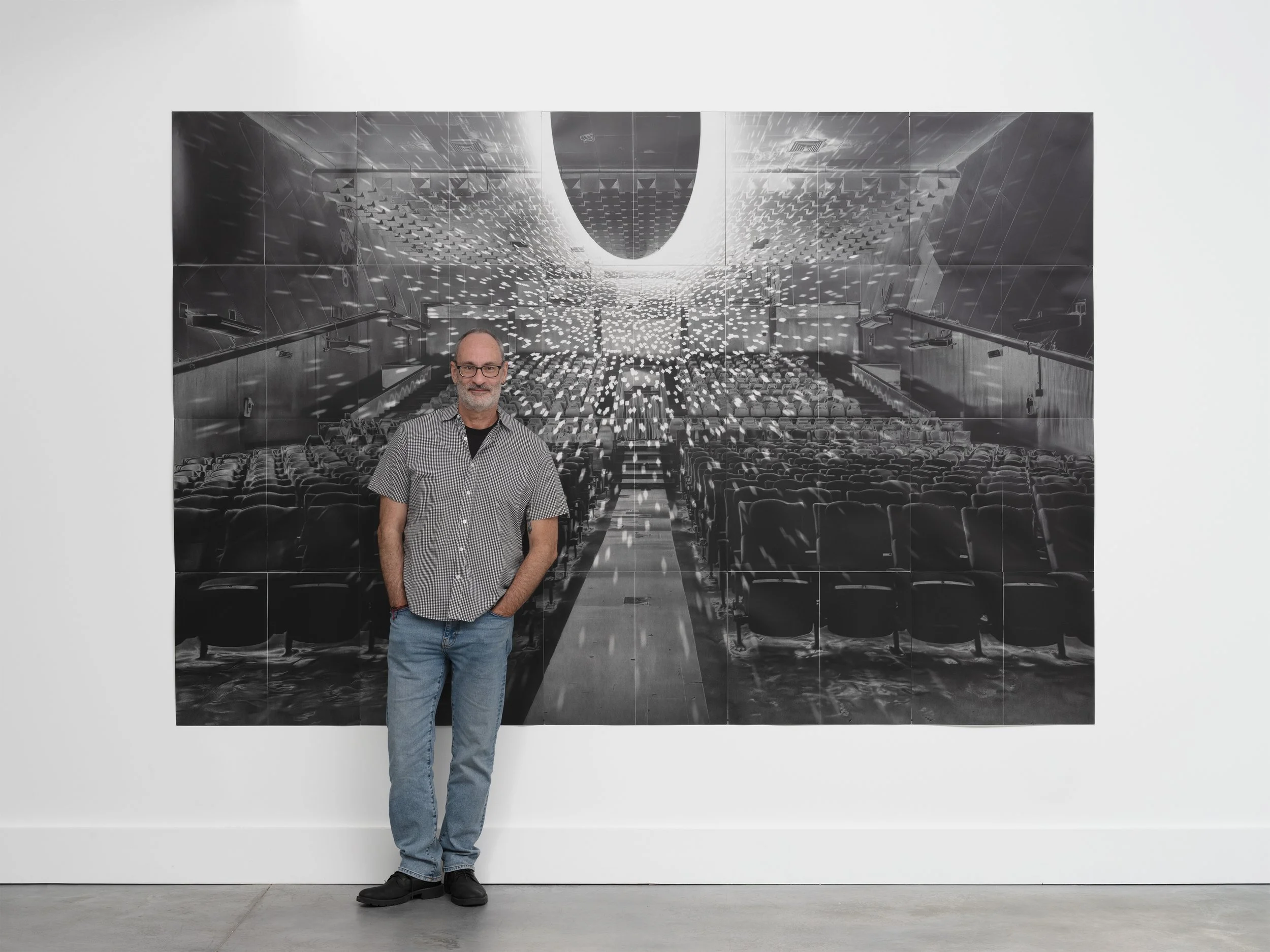
Of Cuban-American descent, Martinez was raised in Miami’s Little Havana in the 1970s - a period of massive cultural shifts, radical creativity, sexual liberation, and profound loss. He utilizes experimental dark room techniques, alongside both archival and personal images, to explore topics at the intersection of his Cuban and Queer identities. This has manifested in series that examine the AIDS crisis, Caridad del Cobre, the aesthetics of disco, Stonewall, and the legacies of migration and exile. The subject of AIDS, in particular, has remained central throughout his career, shaping an approach that resists erasure and honors the resilience of his communities.
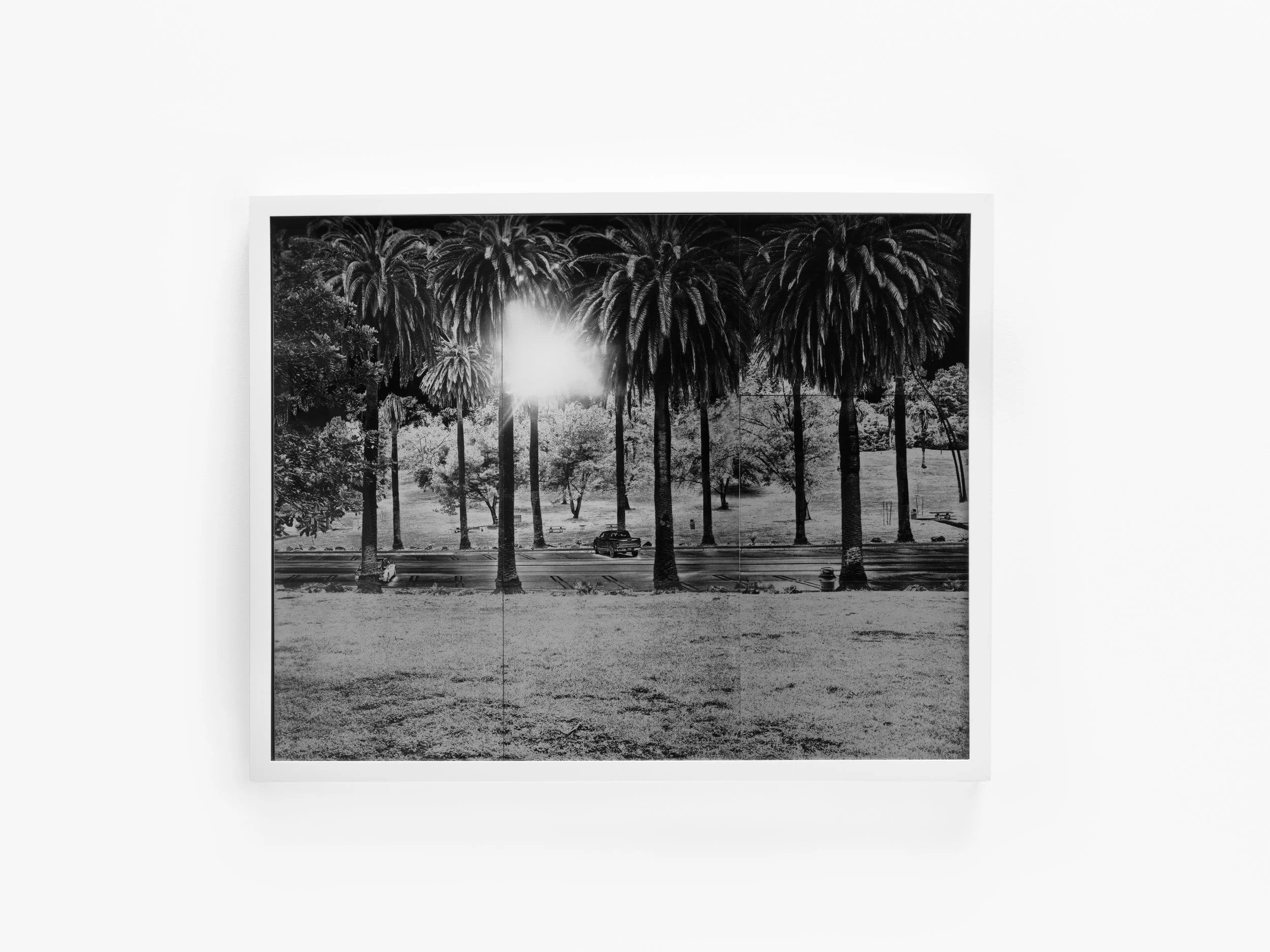
This presentation includes a new series of fragmented queer landscape photographs presented both framed and as an unframed installation. A departure from his past usage of images from national archives, this body of work utilizes his own documentation of cruising spaces. Photographing sites in Fire Island, Miami, Philadelphia, Los Angeles, and San Francisco, the locations are specific to his own desire, while also capturing well-known Queer playgrounds that date from the 1970s to present. The final works, documenting both interior and exterior spaces, are layered distortions of the original landscapes - inverted, solarized, and bathed in light from multiple mirror-ball exposures. They recall a new, seemingly invented dreamscape that is imbued with both anticipation and memorial.
To inquire, please email Olivia McManus at olivia@rivalryprojects.com.
SELECT WORKS
Installation Views
coming soon…
About the ArtistS
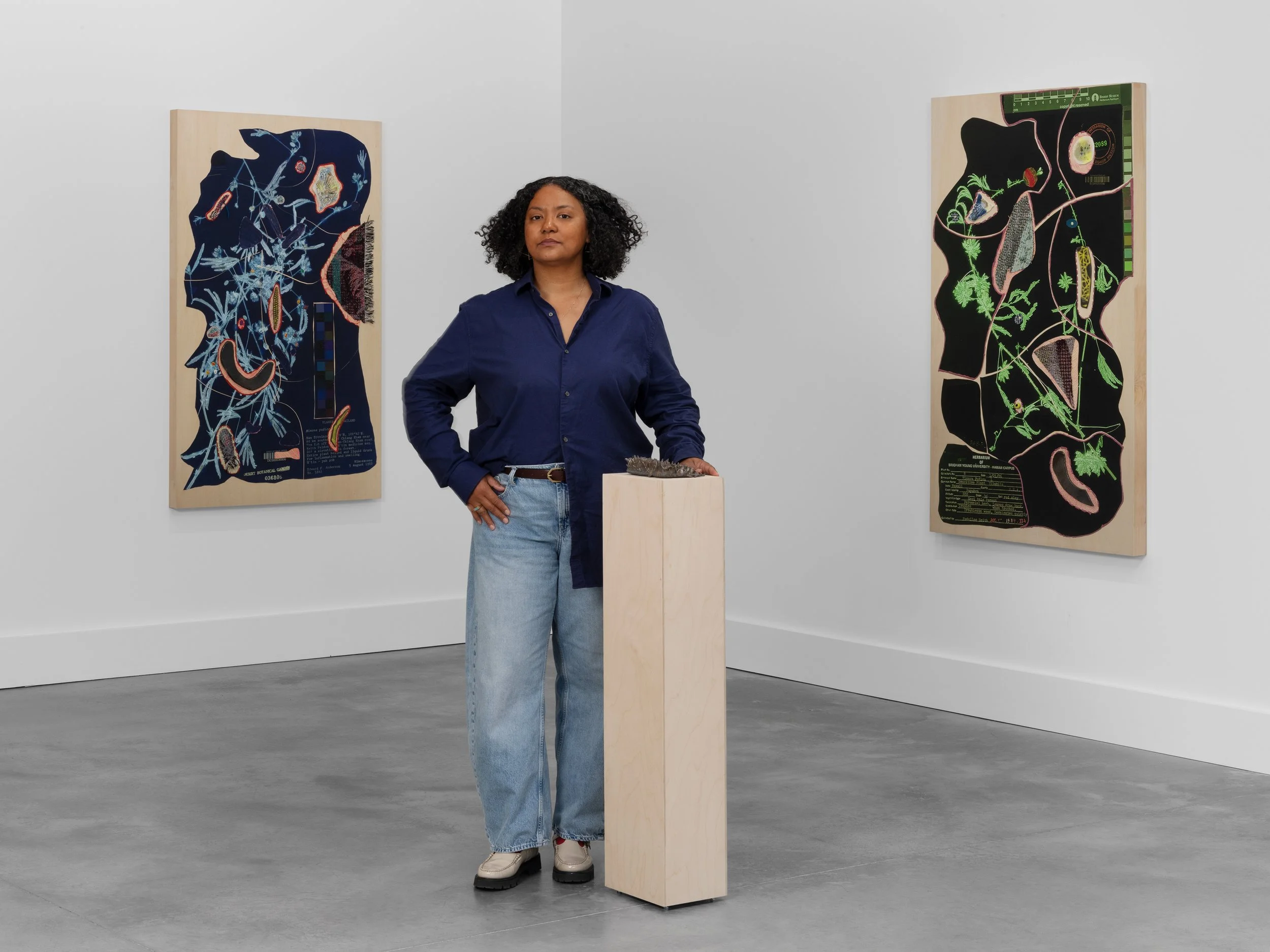
Crystal Z Campbell (b. 1980, Prince Georges County, MD). A 2021 Guggenheim Fellow in Fine Arts, Campbell is a visual artist, experimental filmmaker, and writer of Black, Filipinx, and Chinese descents whose archive-driven works engage historical perception, psychogeography, and the underloved. Campbell’s visual art and films have exhibited and screened internationally: MOMA , European Media Arts Festival, SFMOMA, Chicago International Film Festival (Silver Lion), National Gallery of Art, The Drawing Center, ReMai Modern, Berlinale International Film Festival, MIT List Visual Arts Center, REDCAT, Gallerie im Turm, SculptureCenter, International Film Festival Rotterdam, Walker Art Center, ICA-Philadelphia, Studio Museum of Harlem, Bemis, Nest, Semana Cinema de Negro, Knoxville Museum of Art, New Orleans Film Festival, BLOCK Museum and others.
Recent solo exhibitions include Artists Space, St. Louis Art Museum, Memorial Art Gallery, and a forthcoming exhibition in Fall 2027 at Harvard Radcliffe Institute. They were a featured filmmaker at the 67th Flaherty Film Seminar programmed by Almudena Escobar López and Sky Hopinka, and their film REVOLVER received the Silver Hugo at the Chicago International Film Festival (an Academy Award Qualifying Festival). Other honors include a 2024 NYFA/NYSCA Fellow in Film/Video, 2022 Creative Capital Award, Harvard Radcliffe Film Study Center & David and Roberta Logie Fellowship, Pollock-Krasner Award, MAP Fund, MacDowell, Mid-America Arts Alliance, Skowhegan, Rijksakademie, Whitney ISP, Franklin Furnace, Tulsa Artist Fellowship, Black Spatial Relics, and DUKE DocX Fellowship. Campbell’s writing is featured in two artist books published by Visual Studies Workshop Press, World Literature Today, Monday Journal, GARAGE, and Hyperallergic. Campbell’s work is in the permanent collections of MIT List Visual Arts Center, Memorial Art Gallery, Philbrook Museum, Gilcrease Museum, Duke University, Harvard University, the Beth Rudin DeWoody collection, and other private collections in the US and Italy. Campbell is currently an Associate Professor in Art and Media Study at the University at Buffalo and visiting MFA faculty at Bard College who lives and works between Oklahoma and New York.
Gabriel Martinez (b. 1967) is a photo-based multidisciplinary artist and educator born and raised in Miami, Florida. He was a Pew Fellowship in the Arts recipient in 2001, received a Joan Mitchell Foundation Fellowship in 2003, and was awarded both a 2019 Independent Creative Production Grant from the Sachs Program for Arts Innovation and a 2019 Independence Foundation Fellowship. He has participated in several artist residency programs including: the Rosenbach Museum, the Fabric Workshop, the Fountainhead Residency, Arcadia Summer Arts Program, MacDowell Colony, Yaddo, Banff Centre, the Studios at MASS MoCA and the Joan Mitchell Center. He was recently selected as a 2026 artist-in-residence for The Center for Photography at Woodstock. Martinez attended the Skowhegan School of Sculpture and Painting in 2003, and received his MFA from Tyler School of Art in 1991 and his BFA from the University of Florida in 1998. He has been teaching in the Photo Program for the Department of Fine Arts, PennDesign for the last 26 years. He serves on the Advisory Board for the Center for the Emerging Visual Artist, TILT Institute for the Contemporary Image and Taller Puertorriqueño. His work is included in the permanent collection of the Philadelphia Museum of Art, the Fabric Workshop & Museum, and the Leslie-Lohman Museum of Art.